Nova Scotia Archives
African Nova Scotian Teaching and Learning
Documents
Archives are a great place to develop and use your skills of investigation. Archives work to preserve materials in their original context. ‘Authentic’, ‘one-of-a-kind’, and ‘original’ are all words used to describe archival materials. This makes them reliable and valid sources of information, or evidence of the past.
The documents in this section cover a complex history and lengthy date range. To help navigate this large volume of documents we have created groupings based on important time periods, people and events in African Nova Scotian history. This is an opportunity for teachers and learners to consider records from different times both within the context of current day and also within the time periods they were created.
We invite you to explore these archival documents and have provided some ‘questions to consider’ that may help in your teaching and learning journey.
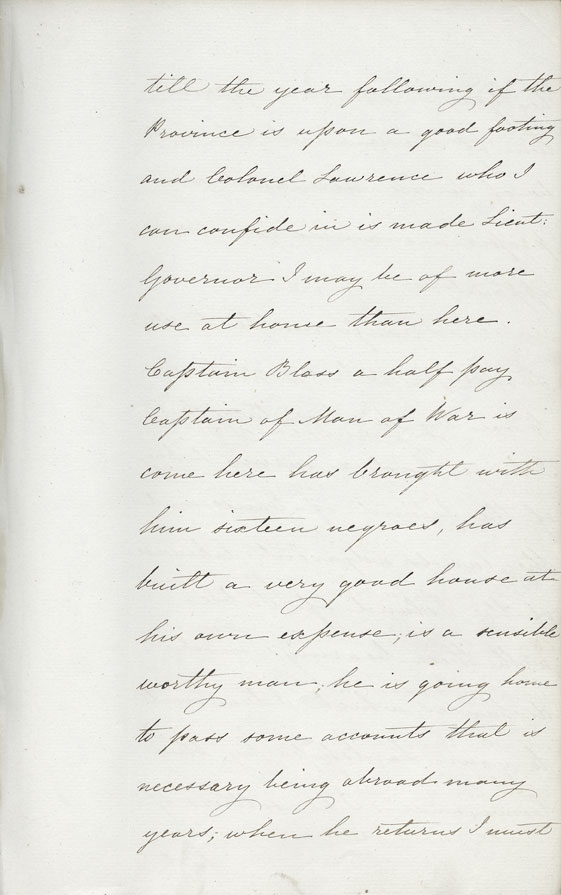
Slavery and Freedom, 1749-1782
The majority of Black people arriving in Nova Scotia between 1749 and 1782 were enslaved people brought by English or American settlers. Documents in this section include evidence of the arrival and presence of enslaved people in the province, as well as the smaller number of free Black people and the slave trade in Nova Scotia during this time.
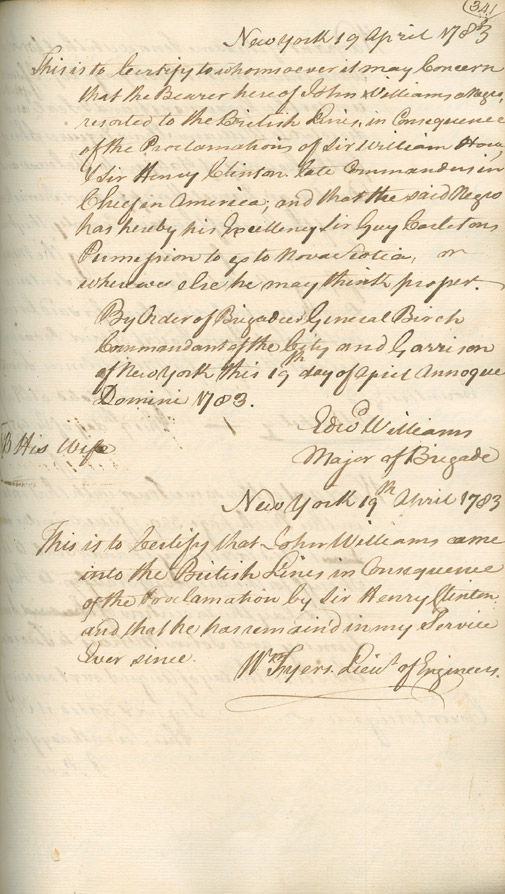
Black Loyalists, 1783-1792
During the American War of Independence, many enslaved African Americans saw joining the British side in the War as an opportunity to gain their freedom. Some provided military service alongside the British Army, while others served in non-military roles. As the end of the War approached, most of the Black Loyalists went to British general headquarters in New York and from there three thousand people sailed to Nova Scotia in 1783. Documents in this section include evidence of the arrival of Black Loyalists in Nova Scotia after the American War of Independence.
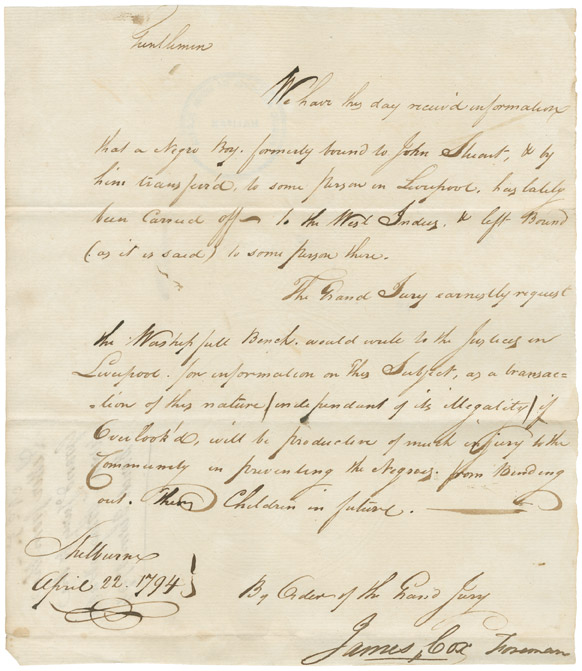
The Decline of Slavery, 1793-1812
Courts in Nova Scotia upheld the legal interest of slaveholders until this period. During the 1790s, we begin to see the courts refusing to uphold the ‘right’ of slaveholders to hold human beings as private property. Documents in this section include evidence of court challenges and attempts to change the law.
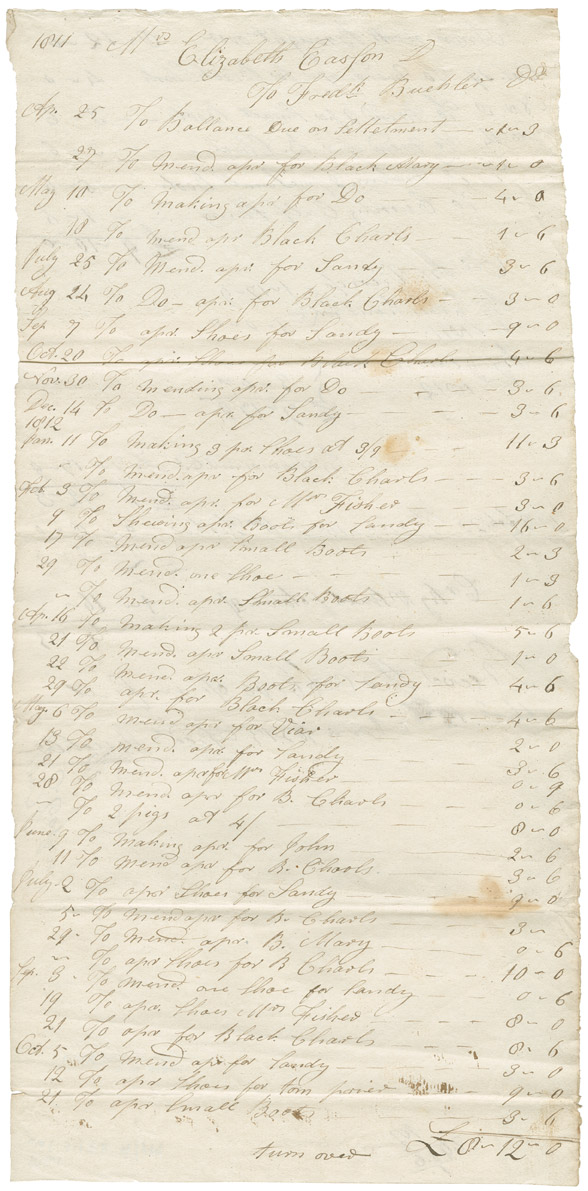
Black Refugees, 1813-1834
The War of 1812, like the earlier American War of Independence, provided enslaved African Americans an opportunity to gain their freedom. In April 1814, British military authorities offered Americans who deserted to the British side the opportunity to join British military service or to go as free settlers to one of the British colonies. By the time Black Refugees began to arrive in Nova Scotia there were few enslaved people left in the province. Documents in this section include evidence of the arrival in Nova Scotia of Black Refugees from the War of 1812.

After 1834, People & Events
Documents in this section include evidence of activities, events and significant movements in more recent periods of African Nova Scotian history.